
 Blog Details
18-09-2026
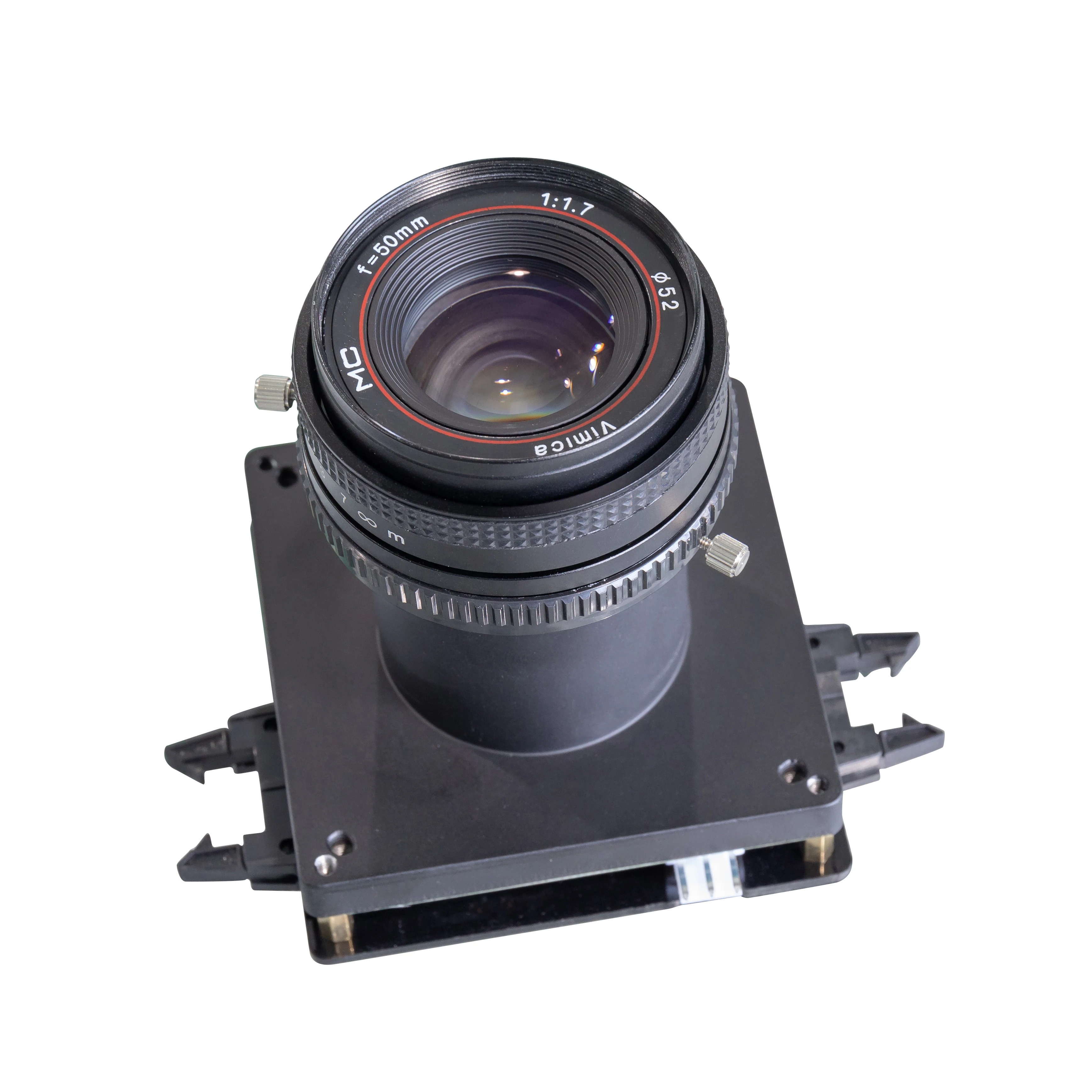
In modern color sorter machines, the camera is the most critical component that determines sorting accuracy, speed, and overall performance. Acting as the “eyes” of the machine, the camera captures high-resolution images of materials in real time and enables precise separation based on color, shape, size, and surface characteristics.
For industries such as food processing, agriculture, plastics, minerals, and recycling, advanced camera systems are what make optical color sorting machines reliable, efficient, and highly accurate.
The camera in a color sorting machine is a high-speed industrial vision system designed to inspect thousands of objects per second. Unlike ordinary cameras, these systems are built for:
When combined with controlled LED lighting and intelligent software, the camera detects even minute variations that are impossible to identify through manual inspection.
CCD cameras are widely used in color sorter machines due to their excellent image clarity, high color accuracy, and low noise levels. They are especially effective for sorting applications that demand precise color differentiation, such as rice, wheat, pulses, and seeds.
RGB cameras analyze objects based on red, green, and blue color values. These cameras are ideal for standard color sorting applications where visual appearance is the primary sorting parameter. They are commonly used in food grains, nuts, and dry fruits processing.
Infrared cameras play a crucial role in advanced color sorting applications. Unlike visible-light cameras, IR cameras detect differences in material properties beyond surface color. They are highly effective for:
Infrared camera technology significantly enhances the performance of AI-based color sorter machines, especially in recycling and industrial material sorting.
This complete process takes place within milliseconds, ensuring high throughput with exceptional accuracy.
These benefits make camera technology the backbone of industrial optical sorting solutions.
In every application, advanced camera systems ensure safety, quality, and compliance with global standards.
The camera of a color sorting machine is not just a component—it is the heart of optical sorting technology. With the combined power of CCD, RGB, and infrared cameras, modern color sorter machines deliver superior accuracy, speed, and reliability.
For manufacturers aiming to improve product quality, reduce waste, and stay competitive, investing in advanced camera-based color sorting machines is a smart and future-ready decision.
Copyright © 2024 Carter Unique Group. All Right Reserved.